Clean Energy Engineering — Connection Beyond The Degree
July 26, 2018
A three-day trip visiting energy facilities in Northern British Columbia gave students the opportunity to not only find real-world relevance of their education, but also make impactful connections that will last beyond their studies.
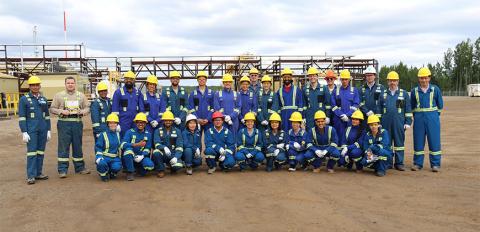
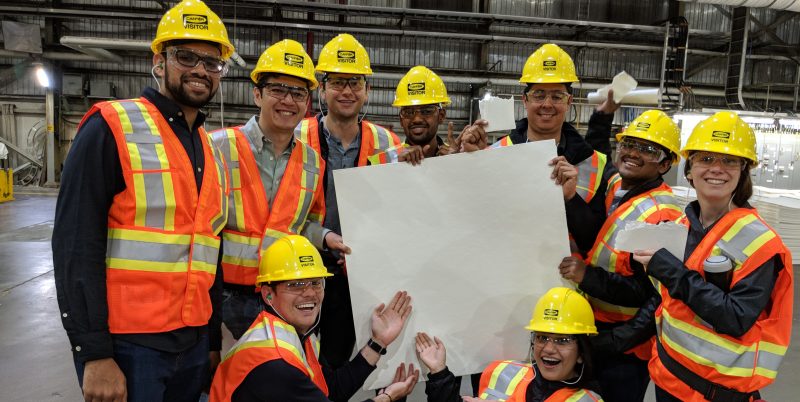
In June, the current cohort of the Master of Engineering Leadership (MEL) in Clean Energy Engineering traveled together with their Program Director Dr. Vladan Prodanovic and Program Administrator Brittany Ji north to Fort St. John and Prince George and embarked on a three-day trip through the areas to various energy technology facilities. The trip provided an incredible opportunity to learn from, and engage with, industry professionals, educational leaders, and energy expertise from various energy sectors. Students were able to make connections between instruction inside the classroom and industry practice â reinforcing the relevant and applied nature of a MEL degree. The trip served as an invaluable experience for the students that provided a unique learning opportunity to see the application of their educational outcomes.
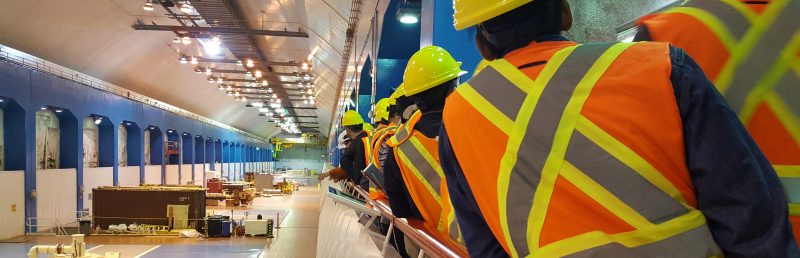
Over the three days, the students were able to visit six different institutes/facilities that have an impact on clean energy production. The first location was W.A.C Bennett Dam, a large hydroelectric dam on the Peace River. The dam was an interesting case study for the students as it was built in the 1960âs and has faced criticism on its negative environmental impact. The students were able to investigate how older technologies function today and their role alongside new systems. The next facility was Shell Saturn 1 Gas Plant, a plant with the capacity to produce 200 million cubic feet of natural gas a day. This new facility provided a model for future plants with two more plants planned modeled after Saturn 1. All three facilities will one day account for 20% of BCâs natural gas production â a rapidly growing field that was of great networking value to students.
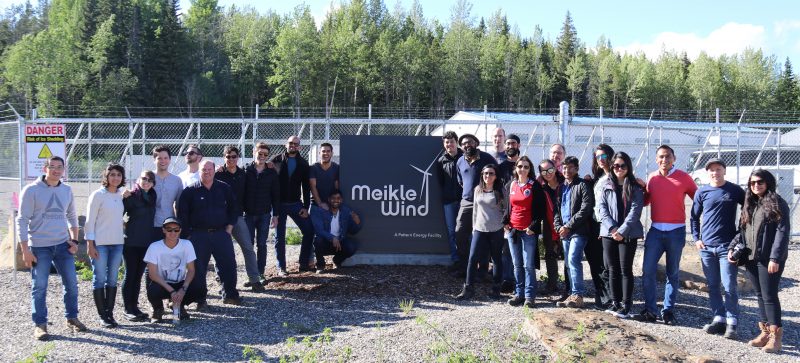
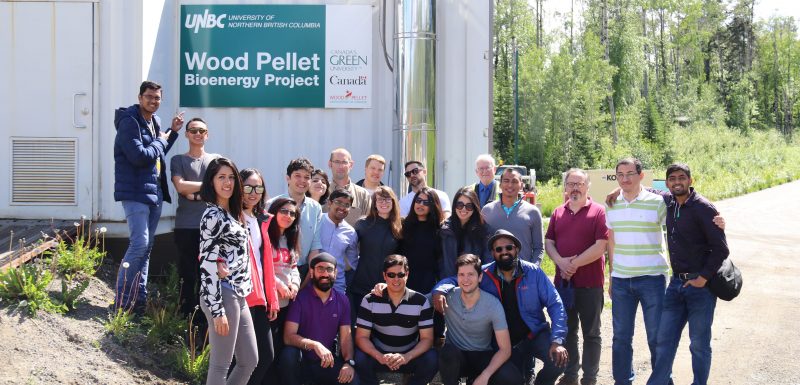
 The next day, the students were given a presentation and tour at Northern lights College, the local post-secondary institution. Afterwards they visited Meikle Wind Energy, an award winning zero-carbon energy production facility to learn about the challenges of harnessing wind energy in a mountainous region. On the last day the students visited Canfor Pulp, an integrated forest products company with a history that dates back to the 1930âs. The company is one of the worldâs largest producers of sustainable lumber, pulp and paper and is a North American leader in green energy production â serving as a valuable case study for the Clean Energy Engineering students. Lastly, the cohort visited UNBCâs Bioenergy Plant, a facility which takes wood waste that is already being produced at a local sawmill and converts it to enough energy to heat the university and reduce fossil fuel consumption by 85%. This innovative and impactful project serves as the type of inspiration that the students can bring to solving the futureâs energy efficiency problems.
 This incredible itinerary provided endless opportunities for students to learn and engage with impactful facilities and ideas not far away from our UBC Vancouver campus. The availability of up-close experience and first-hand encounters is undoubtedly a high benefit to the quality of education in the Clean Energy Engineering program. One student explained, âit was great to see how the things we learn in class fit into the real world. Being in the facilities helps me to understand some of the theory about hydroelectric dams. I did a project on hydro for CEEN 523 and the visit helped me understand some things that I found in literature that I couldnât imagine how they would work in real life.â Providing experiential learning opportunities is a key consideration of the MEL curriculum as students are able to draw connections from the classroom to real-life situations.
 Over the three days, the facility tours, and countless hours on the bus, the Clean Energy Engineering cohort experienced something together that bonds them. The fast-paced and intense nature of the trip gave the students the opportunity to get to know each other better and facilitate connections that will last beyond the duration of their degree. Establishing this sense of community and connection is key to forming collaborations that could have high potentiality in the future. As one student put it, âI think Iâve made amazing connections with the people from the facilities we visited and also with my classmates. I feel more connected to my classmates and for me that is very valuable because after graduation, we will go to different parts of the world and a strong relationship will set the path for future collaboration.â The tripâs overwhelming success points to the impact of a MEL core value: connection â connection between what is taught in the classroom and the real-world and connections between each other.
The next day, the students were given a presentation and tour at Northern lights College, the local post-secondary institution. Afterwards they visited Meikle Wind Energy, an award winning zero-carbon energy production facility to learn about the challenges of harnessing wind energy in a mountainous region. On the last day the students visited Canfor Pulp, an integrated forest products company with a history that dates back to the 1930âs. The company is one of the worldâs largest producers of sustainable lumber, pulp and paper and is a North American leader in green energy production â serving as a valuable case study for the Clean Energy Engineering students. Lastly, the cohort visited UNBCâs Bioenergy Plant, a facility which takes wood waste that is already being produced at a local sawmill and converts it to enough energy to heat the university and reduce fossil fuel consumption by 85%. This innovative and impactful project serves as the type of inspiration that the students can bring to solving the futureâs energy efficiency problems.
This incredible itinerary provided endless opportunities for students to learn and engage with impactful facilities and ideas not far away from our UBC Vancouver campus. The availability of up-close experience and first-hand encounters is undoubtedly a high benefit to the quality of education in the Clean Energy Engineering program. One student explained, âit was great to see how the things we learn in class fit into the real world. Being in the facilities helps me to understand some of the theory about hydroelectric dams. I did a project on hydro for CEEN 523 and the visit helped me understand some things that I found in literature that I couldnât imagine how they would work in real life.â Providing experiential learning opportunities is a key consideration of the MEL curriculum as students are able to draw connections from the classroom to real-life situations.
Over the three days, the facility tours, and countless hours on the bus, the Clean Energy Engineering cohort experienced something together that bonds them. The fast-paced and intense nature of the trip gave the students the opportunity to get to know each other better and facilitate connections that will last beyond the duration of their degree. Establishing this sense of community and connection is key to forming collaborations that could have high potentiality in the future. As one student put it, âI think Iâve made amazing connections with the people from the facilities we visited and also with my classmates. I feel more connected to my classmates and for me that is very valuable because after graduation, we will go to different parts of the world and a strong relationship will set the path for future collaboration.â The tripâs overwhelming success points to the impact of a MEL core value: connection â connection between what is taught in the classroom and the real-world and connections between each other.